




SimplyHairCo / Texture notes
Straight describes the shape. Texture describes the finish.
Compare yaki and silky straight hair extensions by surface texture and everyday finish, with SimplyHairCo guidance for your Bohyme match.
Yaki hair extensions have a more visibly textured straight finish; Silky Straight has a smoother-looking surface. Both can work in a straight hairstyle. Compare the texture and body with the way you actually wear your own hair, then confirm the material and method on the product listing.


Look beyond the silhouette.
A full-length style photograph shows movement and overall shape. A texture close-up helps you see the strand surface and visual body. Review both before choosing. Hair that looks similar from across a room can create a more obvious contrast when placed beside your own lengths.
Silky straight is the smoother-looking starting point in this comparison. Yaki textures introduce a more textured straight finish. Names such as Mink Yaki and Platinum Yaki identify specific options; they should not be treated as interchangeable labels for one universal texture.
Match your normal routine.
Think about the way you wear your hair most days. Do you prefer a sleek finish, a fuller blowout, or the appearance of textured straight hair? Choosing an extension that only blends after a styling routine you do not want to maintain can make the purchase less useful.
Your hair’s appearance can change with styling and weather. Use recent photos of your everyday finish, rather than choosing only from a salon-day image. If you alternate between natural curls and a straight look, tell your stylist which version should guide this order.
Place a texture close-up beside a close-up of your own hair. Then compare the full style references. Do not compare an extension’s texture sample with a heavily curled or smoothed model photo and expect the two views to answer the same question.
Keep collection and method in the decision.
After identifying a promising texture, confirm that it comes in the method, length, and color you need. A texture name alone does not establish the construction, pack contents, or available shades. Use the exact Bohyme product listing as the final ordering reference.
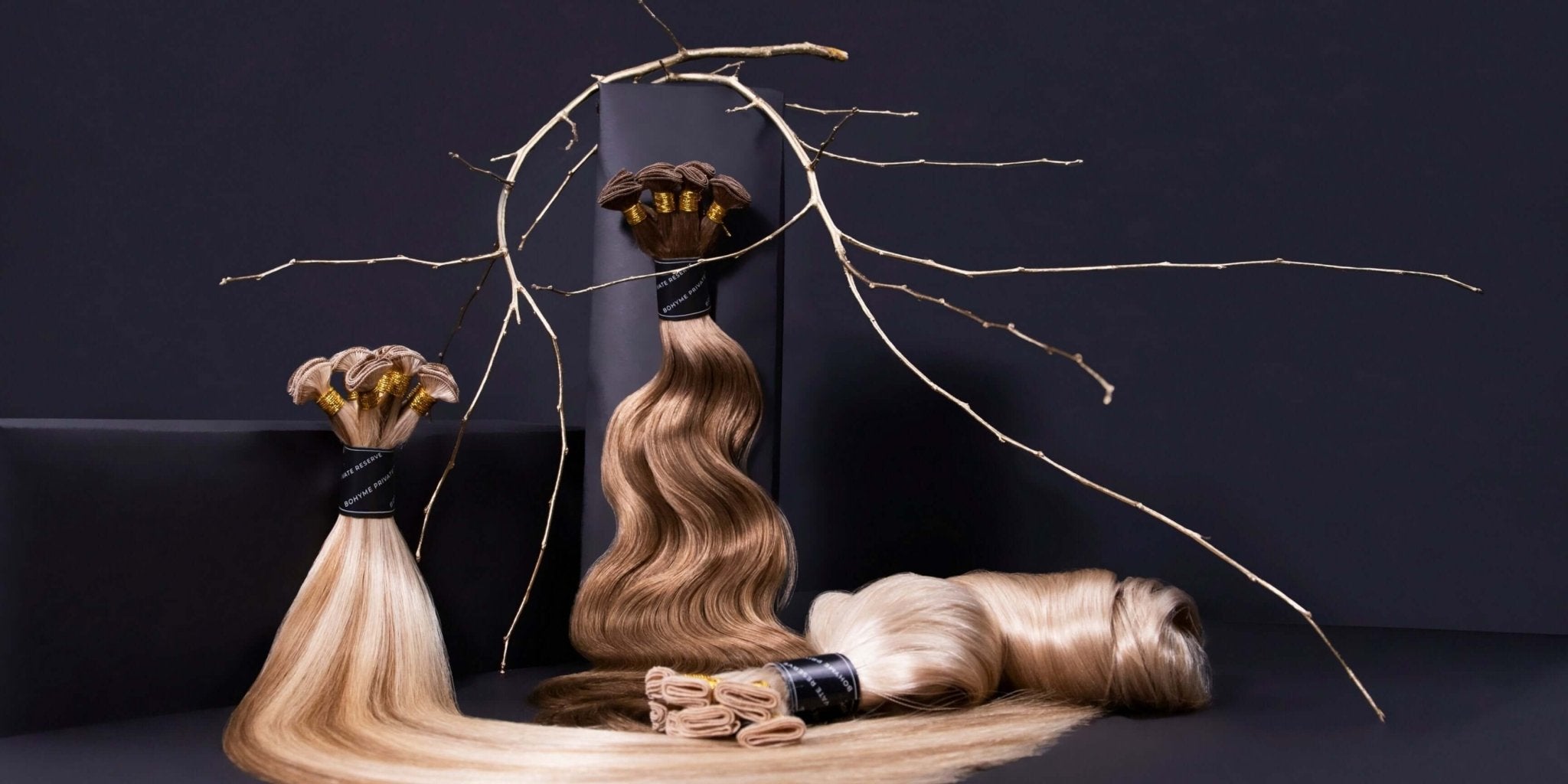
Two human-hair examples to compare are Bohyme Birth Remi Textured Mink Yaki and Birth Remi Textured Silky Straight. Both are machine-tied wefts. Their separate product pages show the available lengths and shades; choosing one texture does not establish the options for the other.
For a salon installation, bring two possible textures to your consultation and ask which would require less daily styling to blend. Your stylist can also assess how the extensions will meet your natural ends.
Is yaki a type of synthetic hair?
The word describes a texture rather than proving a fiber type. The Birth Remi examples above are human hair. Read the specific listing’s material description, and use our human hair extension listing guide to keep texture, material and construction separate.
Should I choose by ethnicity or by my actual hair?
Choose by your actual texture, finish, and intended style. Photos and a direct comparison are more useful than broad assumptions about who a texture is “for.”


Dejar un comentario