





SimplyHairCo / The color edit
The right blonde is more than light or dark.
Compare warm, cool and neutral blonde hair extensions, including root depth and highlights, with SimplyHairCo’s practical shade-matching guide.
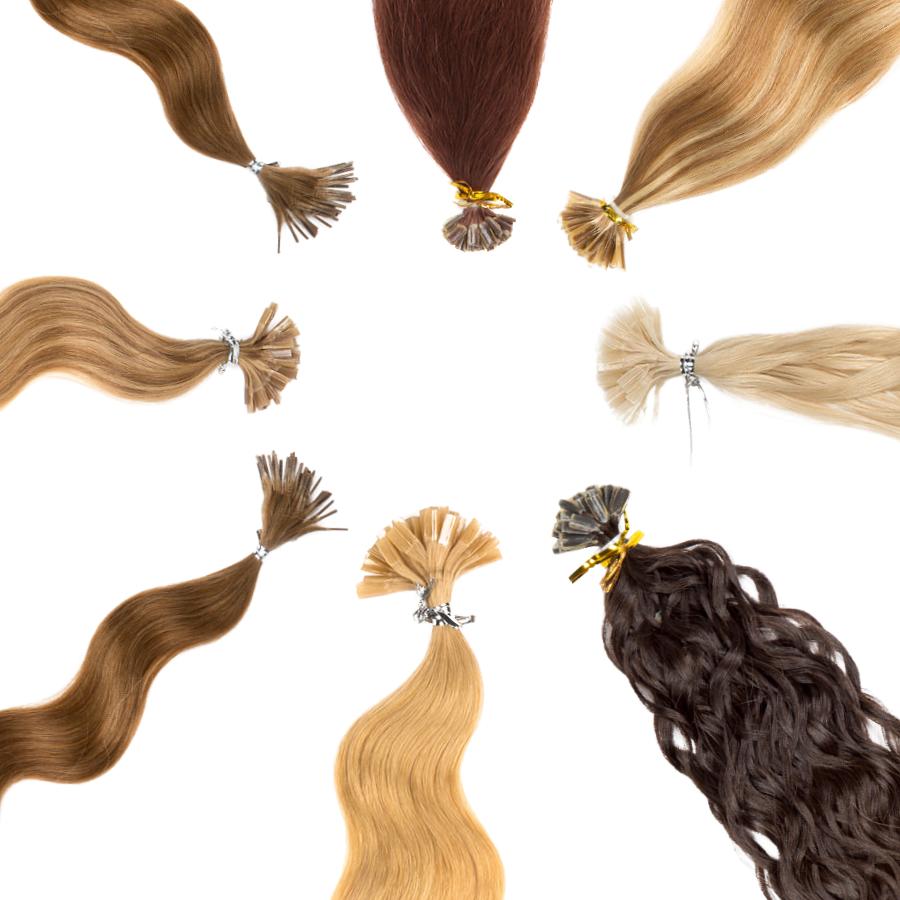
To choose blonde hair extensions, compare depth, tone, and color placement separately. Two shades can look equally light while one reads golden and the other more ashy. A close match also needs to account for your roots, highlights, and the color through your ends.


Start with depth, then compare tone.
Depth describes how light or dark the hair appears. Tone describes its color character: warmer gold, cooler ash, or a more balanced appearance. Matching tone without checking depth can leave the extensions looking too bright or too dark even when the undertone feels right.
Look at your mid-lengths and ends as well as your roots. These are the areas where the extensions will visually blend with your natural hair. A dark root does not mean every strand in the order should match that root shade.
Read the placement of the color.
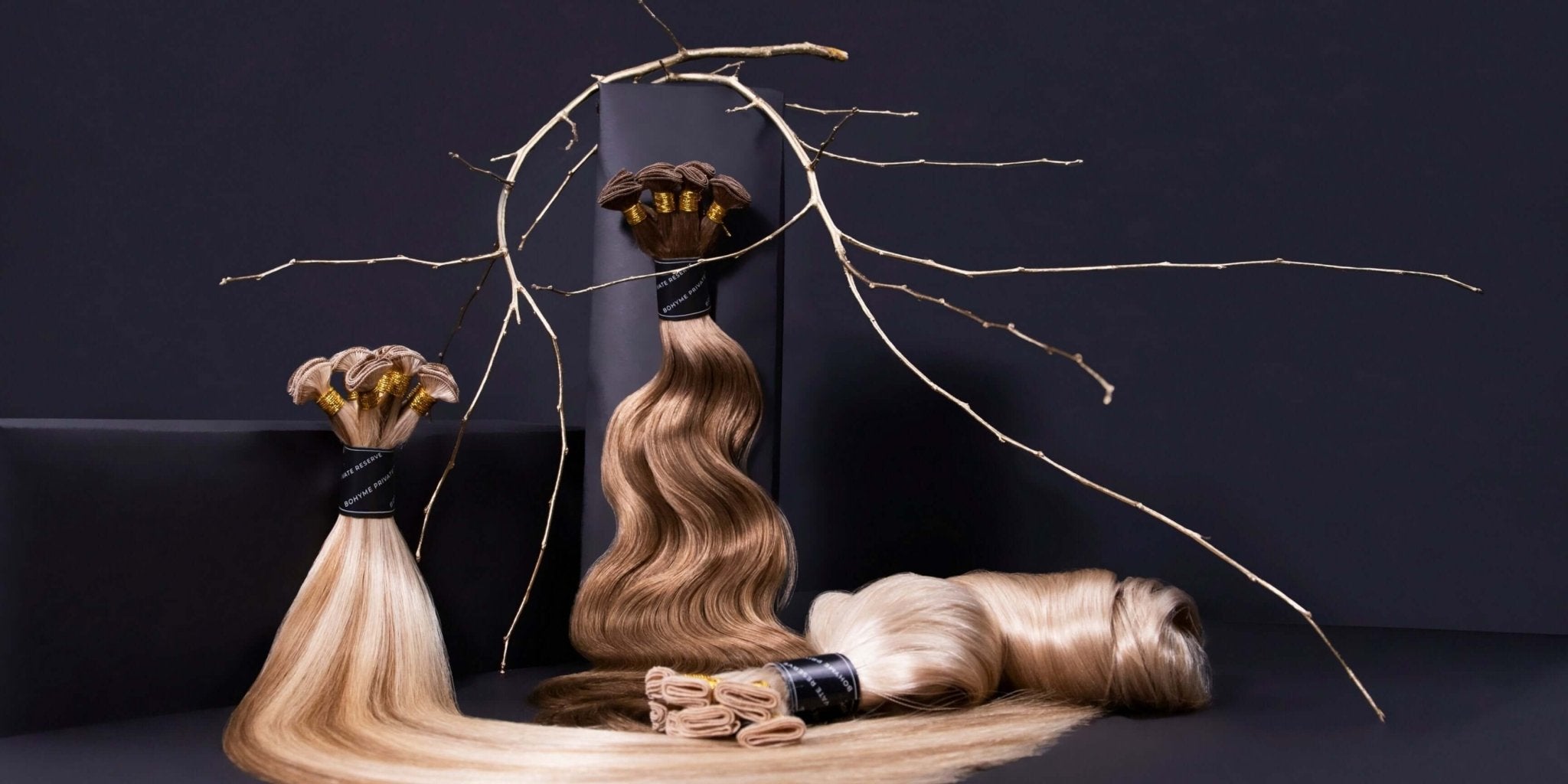
A solid blonde, a highlighted blend, and a rooted blonde create different patterns. A rooted option can add depth near the top while keeping lighter lengths, but its root depth and transition still need to work with your hair.
Bring photographs showing where the brightness sits. Face-framing highlights may need a different placement plan than a softly dimensional blonde with darker pieces throughout. Your stylist can decide whether one shade is enough or whether a combination makes more sense.
You have a darker natural root, neutral blonde lengths, and brighter pieces around your face. Instead of asking for “the lightest blonde,” ask which root depth and blend pattern would reproduce those three areas in your chosen extension method.
Use shade codes carefully.
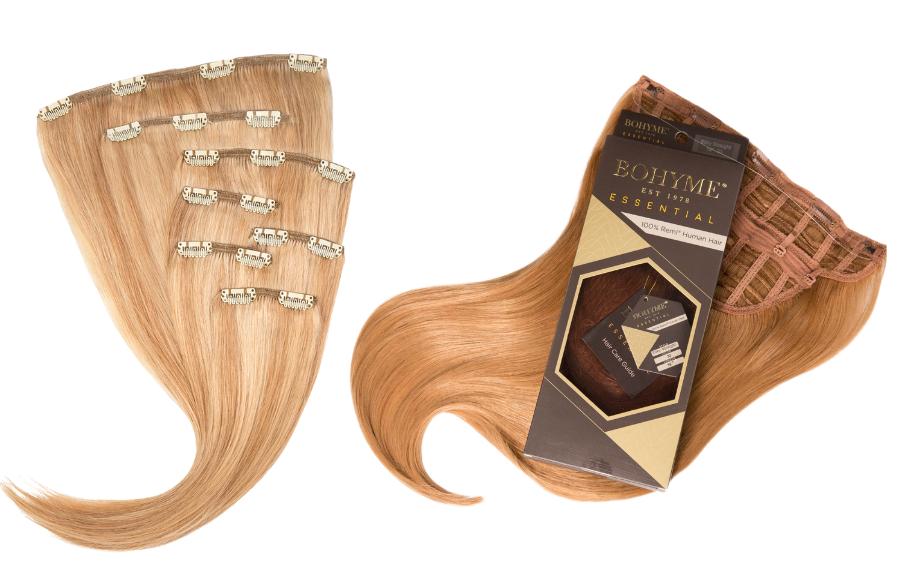
A code identifies an option within a product range. Do not assume that a similar-looking code, a color name, or a photograph from another collection guarantees an identical result. Compare the appropriate Bohyme collection chart and verify that the shade is offered on the exact listing.
For example, the Genius Weft ranges use BL22A in Ethos and BL22 in Luxe. Keep the collection name attached to the code instead of treating both as one generic blonde. The Genius Weft color edit shows the complete ranges and product references; the Bohyme and Ethos color guide helps you compare the relevant chart.
Screen settings and lighting can change how a blonde appears. If the decision sits between two close shades, a relevant color ring and a professional comparison are more useful than increasing screen brightness.
Should I match before or after a color appointment?
Match the intended finished color. If your own hair is about to change, coordinate with your colorist before committing to the extension order.
Once the color plan is settled, take unfiltered matching photos in consistent indirect daylight. Include the root transition and the ends so a lighter face-framing section does not become the only reference.
Can I buy the wrong tone and adjust it later?
Do not make that the purchasing plan. Ask your stylist and the product’s care guidance before any color service. Selecting the closest suitable shade first avoids relying on an unconfirmed correction.


Dejar un comentario